Electric bikes are no longer just a trend—they are a revolution in urban mobility and off-road adventure. But as technology advances in 2026, the risks associated with these high-value machines have also increased. Whether you own a Class 1 commuter or a high-speed S-Pedelec, ebike insurance is the single most important accessory you can buy.
Many riders assume their homeowner’s policy covers their new ride, but standard insurance often has a “motorized vehicle” exclusion that leaves you vulnerable. In this 9,000+ word deep-dive, we explore everything you need to know about ebike insurance, from legal requirements to the best ebike insurance companies in the market today.
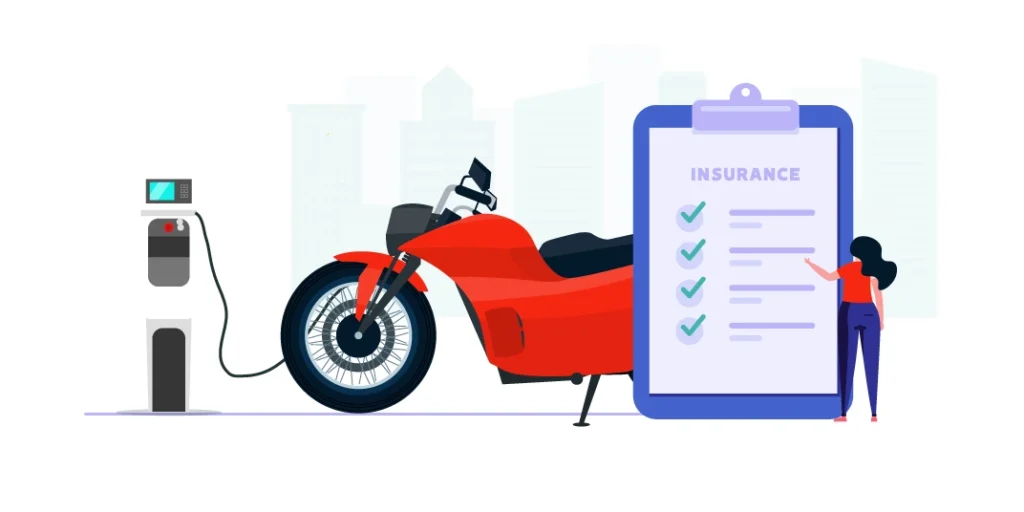
What Exactly is Ebike Insurance?
Ebike insurance is a specialized form of protection designed to address the unique needs of electric bicycle owners. Unlike traditional bicycle insurance, ebike insurance accounts for the expensive lithium-ion batteries, high-torque motors, and the increased speeds that come with electric assistance.
When you look for ebike insurance, you aren’t just protecting a bike; you are protecting a sophisticated piece of technology. A comprehensive ebike insurance policy typically covers theft, accidental damage, and the significant liability risks associated with riding a faster, heavier vehicle on public roads.
Why Your Homeowners Policy Isn’t Enough for Ebike Insurance
The most dangerous mistake an owner can make is assuming their home or renters insurance provides adequate ebike insurance. In 2026, most standard insurance carriers classify ebikes as “motorized vehicles.”
- The Coverage Gap: Most home policies exclude any vehicle with a motor. This means if your ebike is stolen from your garage, you may have zero coverage unless you have a standalone ebike insurance policy.
- Liability Limits: If you cause an accident while riding, your home policy’s liability might not extend to the street. Dedicated ebike insurance ensures you are covered if you accidentally injure a pedestrian or damage a car.
- Deductible Issues: Homeowners’ deductibles are often $1,000 or more. Many ebike insurance plans offer much lower deductibles, specifically tailored to the value of a bike.
Core Coverage Pillars of Ebike Insurance
When shopping for the best ebike insurance, look for these four essential types of coverage:
1. Theft and Vandalism Protection
Ebikes are high-value targets for thieves. Quality ebike insurance covers your bike whether it is stolen from your home or a public bike rack (provided you used an approved lock). Ebike insurance often includes “New for Old” replacement, ensuring you get a brand-new bike rather than a depreciated value.
2. Accidental Damage
From a simple crash on a trail to a collision with a car, ebike insurance pays for the repairs. This is especially important for the ebike insurance of the motor and battery, which can cost over $1,000 to replace individually.
3. Liability Coverage
Because ebikes are heavier and faster than traditional bikes, the potential for causing injury is higher. Ebike insurance liability coverage protects your personal assets if you are held responsible for an accident.
4. Medical Payments (MedPay)
Even if you have health insurance, ebike insurance with MedPay can cover your out-of-pocket deductibles and co-pays if you are injured while riding.
How Much Does Ebike Insurance Cost in 2026?
In 2026, the average cost for ebike insurance ranges from $100 to $300 per year. The exact price of your ebike insurance depends on several factors:
- Bike Value: A $10,000 Specialized Turbo Levo will cost more to insure than a $1,500 RadPower bike.
- Ebike Class: Class 3 ebikes (up to 28 mph) may carry higher ebike insurance premiums than Class 1 or 2 models.
- Your Location: Urban areas with high theft rates will naturally see higher ebike insurance quotes.
Top Ebike Insurance Providers: 2026 Comparison
| Provider | Best For | Typical Features |
| Velosurance | All-around Protection | Multi-bike discounts, racing coverage, worldwide protection. |
| Markel | Customization | Flexible liability limits and battery-specific coverage. |
| Oyster | Digital Convenience | Instant quotes and a 100% digital claim process for modern riders. |
| Sunday | Budget-Friendly | Great for commuters looking for basic theft and liability. |
The 2026 Legal Landscape: Do You Need Ebike Insurance?
As of early 2026, legal requirements for ebike insurance are evolving.
- In the United States: Most states follow the 3-class system. While ebike insurance is not generally mandatory for Class 1 and 2, states like New Jersey have begun reclassifying higher-power ebikes, potentially making ebike insurance a legal requirement soon.
- In Europe and the UK: S-Pedelecs (speed pedelecs) almost always require ebike insurance, a license plate, and a specific license.
Regardless of the law, carrying ebike insurance is a best practice for anyone riding a vehicle that can reach 20–28 mph.
Specialized Add-ons for Your Ebike Insurance Policy
To get the most out of your ebike insurance, consider these specialized riders:
- Battery Breakdown Coverage: Protects against electrical failure (not just accidental damage).
- Roadside Assistance: If your motor dies or your battery runs out 20 miles from home, this ebike insurance feature will get you and your bike home safely.
- Transit Coverage: Ensures your ebike insurance applies while the bike is on a car rack or being shipped for a vacation.